MENU
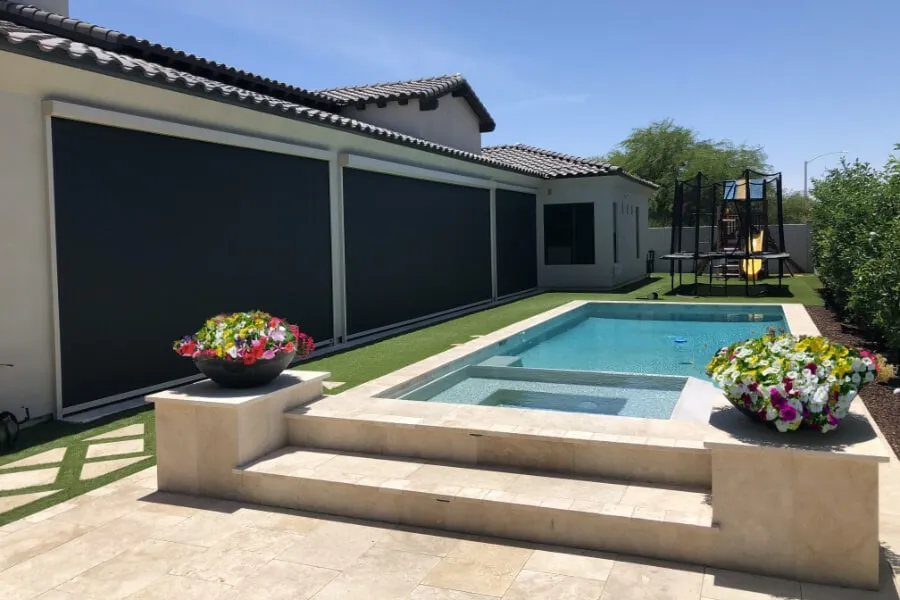
As residents of the state know, the Arizona sun can be relentless and can impact the comfort of your home significantly. Among the ways to manage the heat, solar screens stand out as an effective solution. This article will help you understand the key aspects of solar screens, focusing on how they impact home darkness.
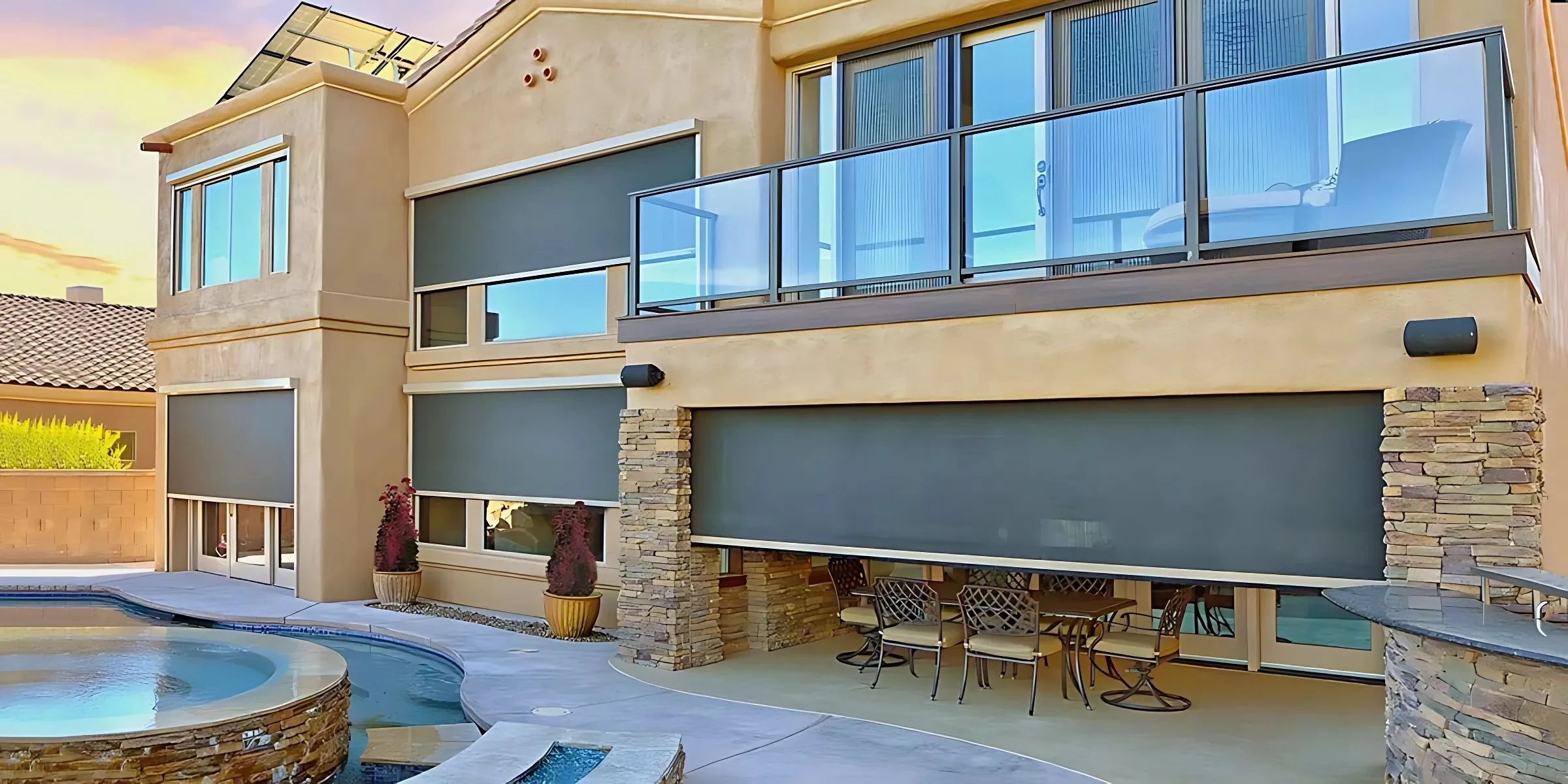
Solar screens are mesh screens designed to be fitted over windows, blocking a significant portion of sunlight while still allowing air to circulate. They come in various openness factors, typically ranging from 3% to 14%, which refers to the percentage of light the screen allows through. A lower percentage blocks more light and offers more privacy, while a higher percentage allows more light and is less opaque.
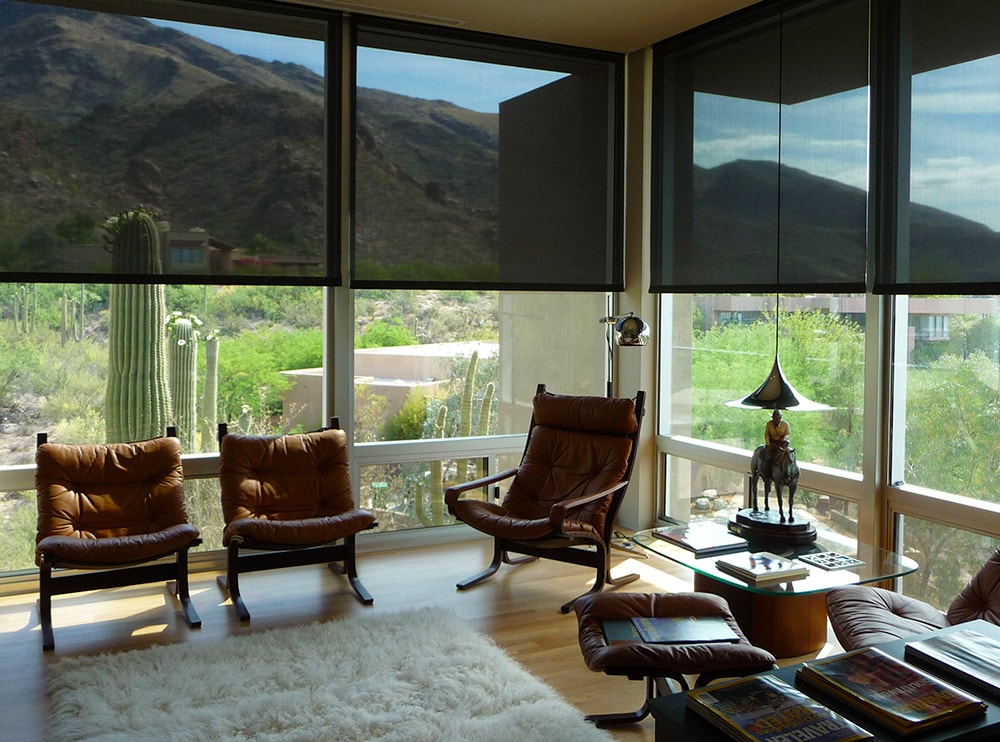
This is a common concern for many homeowners. The short answer is: not as dark as you might think. While solar screens do reduce the amount of light entering a room, the level of darkening depends significantly on the openness factor of the screen. A 3% screen will block more light than a 10% screen, for example. However, even with a low openness factor, solar screens can maintain a relatively bright interior while still blocking a significant amount of solar heat and UV rays.
Despite reducing light, solar screens can block up to 90% of UV rays, protecting your home's interior from sun damage and fading.
By blocking a significant portion of solar heat, solar screens can help reduce the need for air conditioning, leading to energy savings.
During the day, solar screens can provide privacy, allowing you to see outside while making it difficult for people to see in.
By reducing glare and heat, solar screens can make your home more comfortable, especially in sunny climates like Arizona.
When choosing a solar screen, consider the openness factor, the color of the screen (lighter colors tend to block less heat but maintain a brighter interior), and the specific needs of each room. Rooms where you want more natural light might benefit from a higher openness factor, while rooms needing more heat blocking and privacy might do better with a lower openness factor.
Solar screens can be an elegant addition to any home. They come in various colors and styles, allowing you to choose one that complements your home's interior design. Despite their practical function, solar screens can be aesthetically pleasing.
While solar screens do reduce the amount of light in a room, they are designed to maintain a certain level of natural light. The key is to choose the right openness factor for your needs. With the right solar screen, you can enjoy the benefits of sunlight while minimizing the negative effects of solar heat and UV rays. Contact Tucson Rolling Shutters & Screens for expert advice on selecting the right solar screens for your home. You can reach us at tucsonrollingshutters.com/contact-us.