MENU
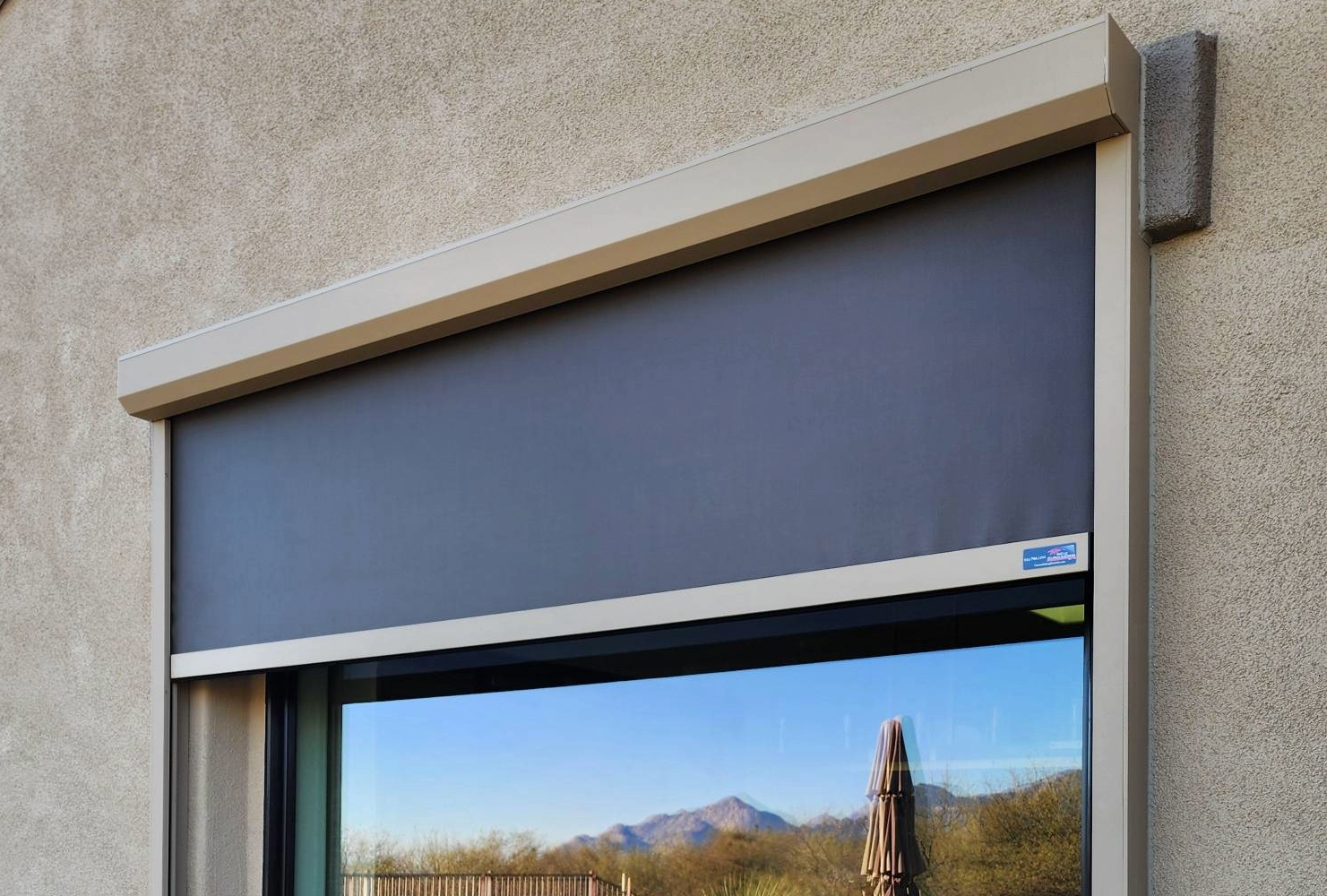
The best solar screen color depends on how much heat reduction, glare control, and visibility you want. Darker colors improve visibility and reduce glare, while lighter colors reflect more heat, keeping spaces cooler.
Color is not just a design choice. It directly affects how your solar screens perform once installed. It influences how much heat enters your space, how clearly you can see outside, and how comfortable the area feels during peak sunlight hours.
Most homeowners assume all solar screens perform the same. In reality, color plays a major role in glare reduction, heat control, and visibility. Choosing the wrong option can leave a space feeling too bright, too warm, or harder to use during the day.
It is easy to pick a color based on what looks best from the outside. That approach usually leads to compromises inside the home.
Darker screens absorb more light, reducing glare and making it easier to see through them. Lighter screens reflect more sunlight, which helps reduce heat but can increase brightness and reduce visibility.
The decision should start with how the space feels and functions, not just how the home looks from the street.
Understanding the difference between dark and light colors helps narrow down the right choice quickly.
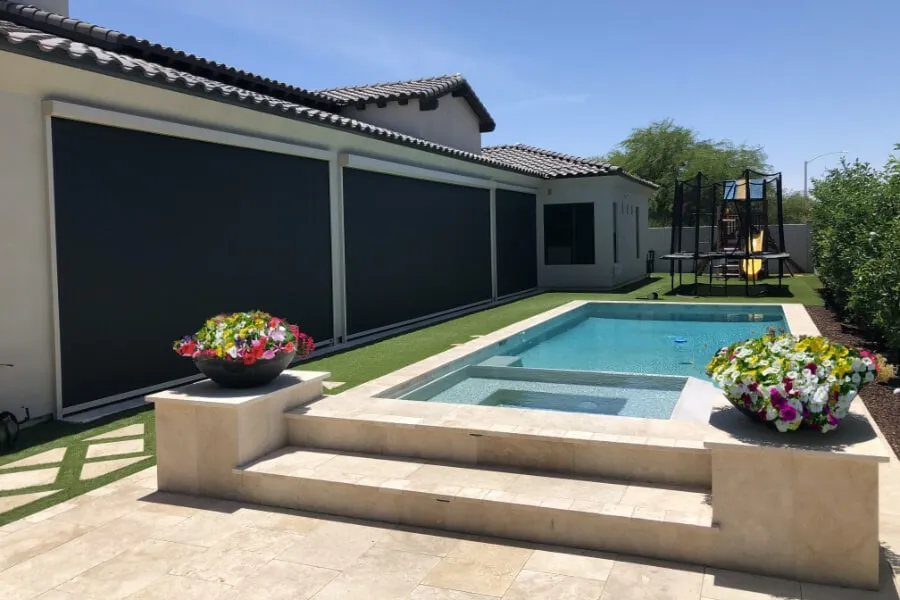
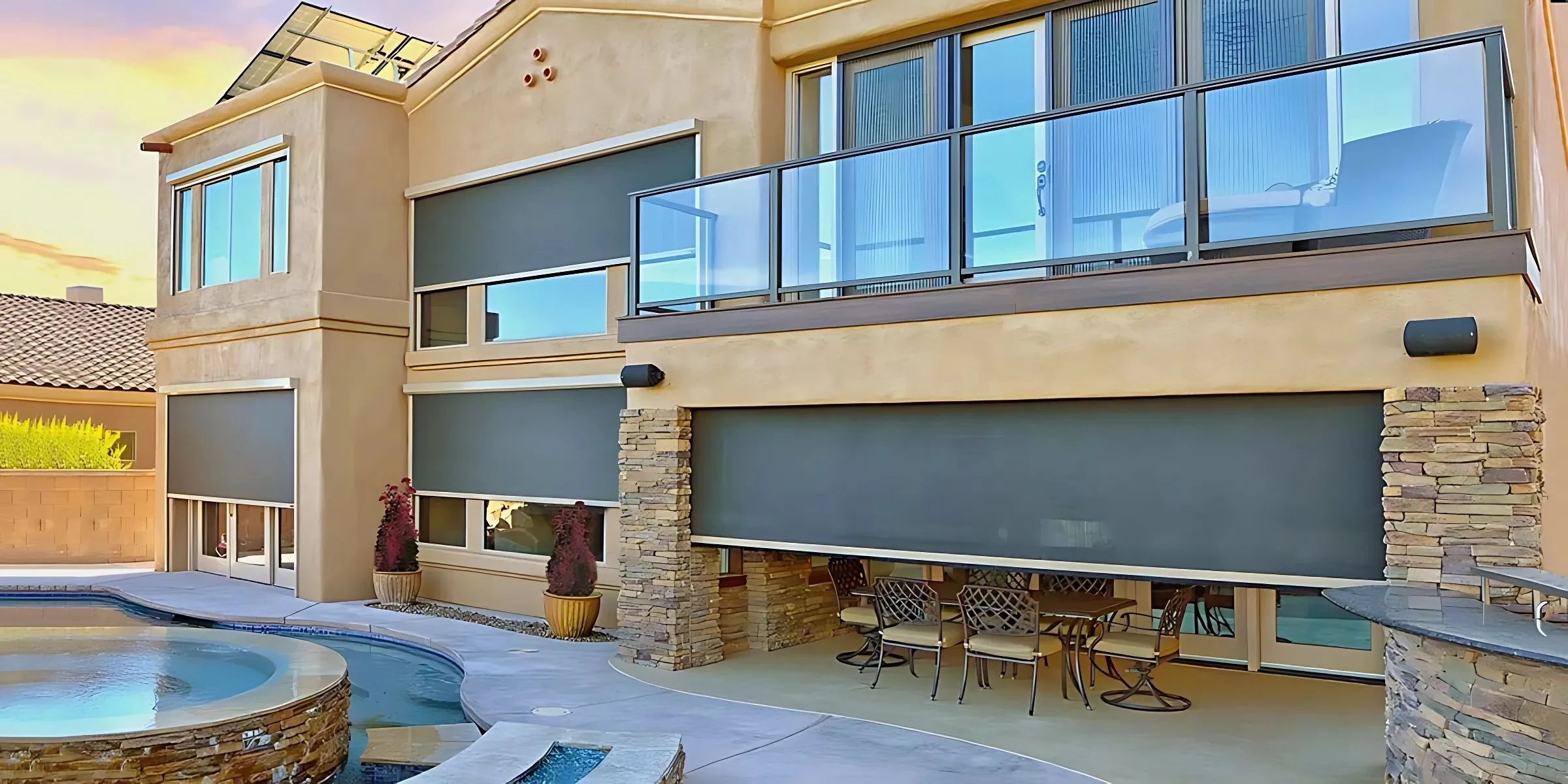
Dark screens provide better outward visibility by reducing glare. This makes it easier to see through the screen during the day. They also create a more comfortable viewing experience by reducing brightness on windows and screens.
They do absorb more heat, but the overall impact is often offset by the reduced glare and improved usability of the space.
Light-colored screens reflect more sunlight before it reaches the window. This helps reduce heat gain and keeps interior spaces cooler.
The tradeoff is visibility. Lighter screens can make it harder to see outside clearly and may let in more light into the room, especially during peak sunlight hours.
Most homeowners notice visibility first. It affects how usable the space feels throughout the day.
Darker screens make it easier to look outside without glare interfering. This is especially important for living areas, patios, and rooms where you spend the most time.
Lighter screens tend to create a softer, brighter look but can make outdoor views less clear. In spaces where visibility matters, this becomes noticeable quickly.
Color plays a role in heat control, but it is not the only factor. The screen's openness factor has just as much, if not more, impact.
Lighter colors reflect heat, but if the openness factor is too high, sunlight will still pass through. Darker screens with a lower openness factor often provide better overall comfort because they block more sunlight while reducing glare.
This is why color and openness should always be considered together.
Start by focusing on how the space is used, then narrow down your options based on performance.
Is the space too bright, too hot, or lacking visibility? Be specific. This will guide your decision.
If visibility and glare are the issue, darker screens are usually the better choice. If heat is the main concern, lighter colors can help.
Areas with strong afternoon sun may benefit from darker screens with a lower openness factor. Spaces with less exposure can use lighter options without creating issues.
Once performance is handled, select a color that complements your home's exterior. At this point, appearance becomes the finishing step.
Choosing the wrong color usually comes from focusing too much on appearance and not enough on performance. Solar screens directly affect how your space feels throughout the day, so overlooking factors like glare, heat, and visibility can lead to ongoing frustration. Taking a few extra minutes to think through how the space is used can prevent having to adjust or second-guess your decision later.
If the color does not match your space's needs, the issues tend to show up quickly in daily use. Instead of improving comfort, the screens may create new problems that affect how often you use the area. These signs are usually easy to spot and often stem from mismatched expectations for light, heat, or visibility.
When the right color is selected, the difference is noticeable right away and continues over time. The space becomes easier to use, more comfortable during peak sunlight hours, and more consistent throughout the day. Instead of constantly adjusting your environment, the screens do the work for you.
The color of your solar screen affects how your space feels every day. Taking the time to choose based on performance prevents ongoing frustration and unnecessary adjustments.
If you want help selecting the right solar screen color for your home in Tucson, AZ, Tucson Rolling Shutters & Screens can guide you through options based on your layout, sun exposure, and daily use. Contact us today to schedule your free consultation.