MENU
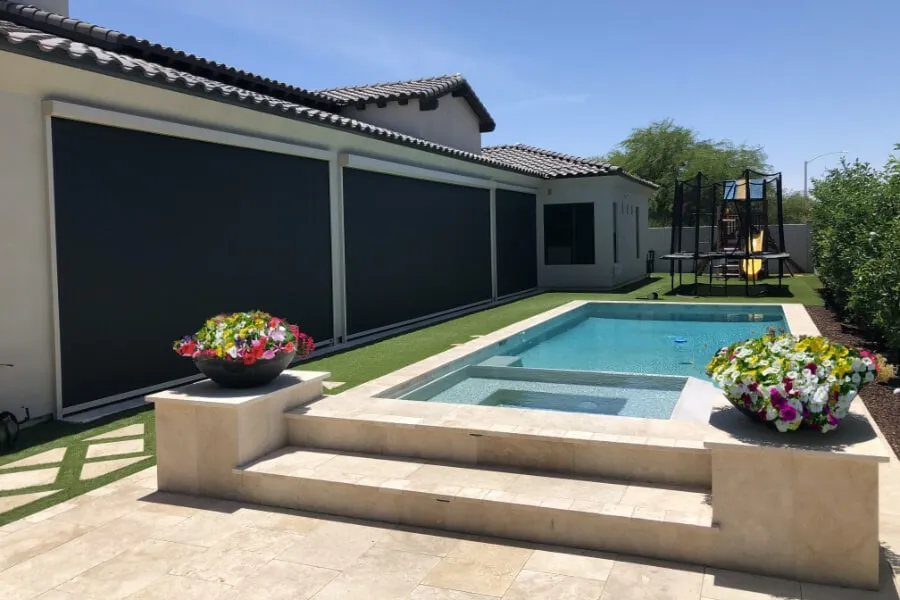
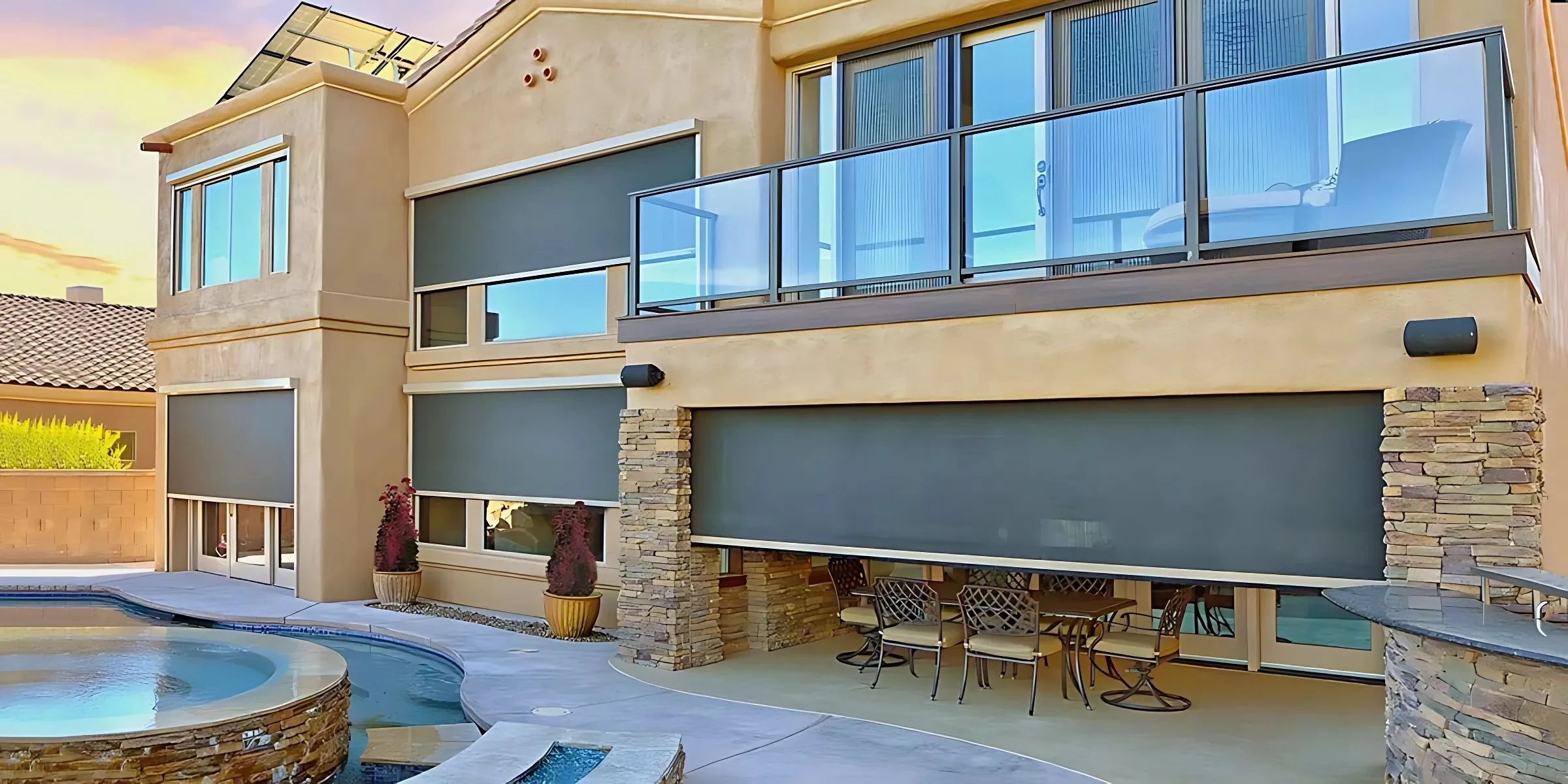
When it comes to managing sunlight in your home, two common options are solar screens and rolling shutters. Each offers unique benefits, making the choice dependent on your specific needs. Let's explore how you can get the sun through a solar screen or opt for a rolling shutter for complete control.
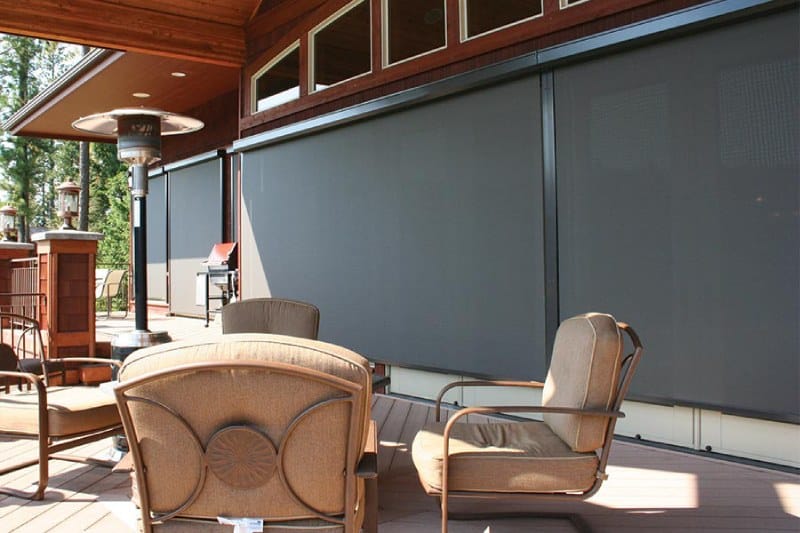
Solar screens are designed to filter sunlight, reducing heat and glare while still allowing natural light to enter your home. The amount of sunlight that passes through a solar screen is determined by its openness factor. A screen with a lower openness factor (like 3%) allows less sunlight and provides more privacy and heat reduction, while a higher openness factor (like 14%) allows more sunlight and offers a clearer view.
Despite their sun-filtering capabilities, solar screens maintain visibility. You can still see outside, albeit with some color alteration depending on the screen's color and openness factor. This makes them ideal for rooms where you want natural light but without the harsh glare or heat.
The key to getting the right amount of sun through a solar screen lies in choosing the correct openness factor. For maximum heat and glare reduction, a lower openness factor is recommended. For more natural light with some heat reduction, a higher openness factor would be suitable.
In contrast, rolling shutters provide complete control over sunlight and privacy. When closed, they block all sunlight, providing maximum privacy and heat insulation. When open, they offer unobstructed views. This makes rolling shutters ideal for scenarios where complete darkness or privacy is needed.
Rolling shutters are incredibly versatile. They can be partially lowered to reduce heat and glare while still allowing some light in. This flexibility makes them a great option for any room in your home.
The decision between solar screens and rolling shutters depends on your needs. If you want to maintain natural light while reducing heat and glare, solar screens are a good choice. If you need complete control over light, heat, and privacy, rolling shutters are the way to go. In many cases, homeowners opt for a combination of both.
Whether you're looking to filter sunlight with solar screens or control it completely with rolling shutters, Tucson Rolling Shutters & Screens has the expertise and products to help. Contact us at tucsonrollingshutters.com/contact-us for more information and to explore our range of solar screens and rolling shutters.