MENU
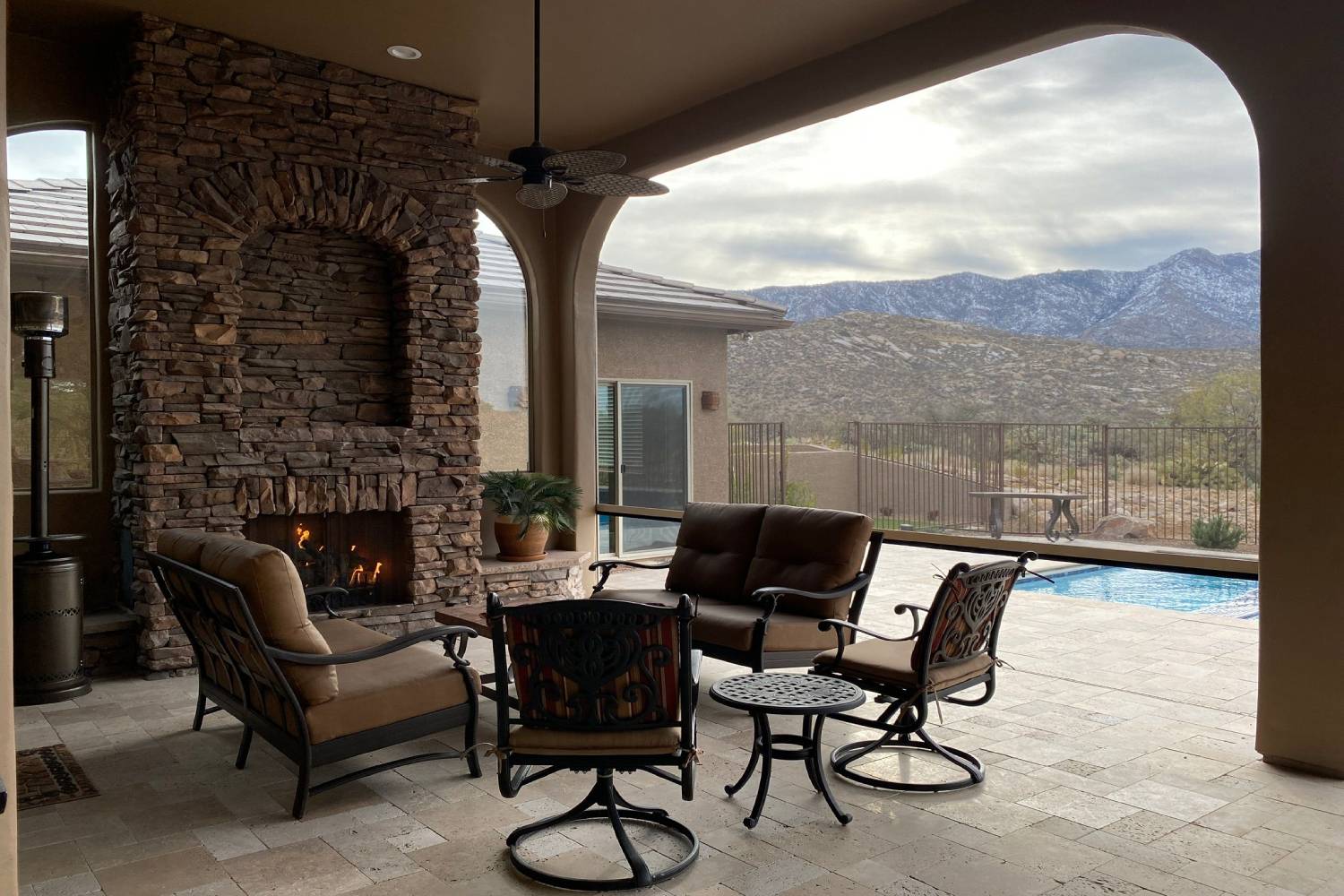
Solar screens can be integrated into your smart home through motorized controls, scheduling, sensors, and app-based systems. This allows you to automate shading based on sun exposure, temperature, or time of day, improving comfort and reducing cooling costs with minimal effort.
Smart home technology is no longer limited to thermostats and lighting. Homeowners in Tucson are increasingly integrating solar screens into their smart home setups to gain better control over heat, glare, and energy use. When paired with automation, solar screens become an active part of your home's comfort and efficiency strategy rather than a passive feature.
Solar screens already play an important role in reducing heat and glare, especially in desert climates like Tucson. Smart home integration simply makes them more effective. Instead of manually adjusting screens throughout the day, automation allows your home to respond to changing conditions on its own.
By tying solar screens into a smart system, homeowners can reduce indoor temperatures before heat builds up, protect furnishings from sun damage, and improve overall comfort without constant adjustments. In a climate where afternoon sun is intense and predictable, smart shading is a logical upgrade.
Motorized solar screens are the foundation of smart integration. These systems replace manual operation with quiet, reliable motors that allow screens to raise and lower automatically. Motorization makes it possible to control screens remotely or connect them to sensors and schedules.
One of the biggest advantages of smart solar screens is scheduling. Screens can be programmed to lower during peak sun hours and raise in the evening when temperatures cool. This helps manage heat gain consistently without relying on manual operation.
With app-based controls, homeowners can operate solar screens from anywhere. Whether you're at work, traveling, or managing a seasonal property, remote access ensures your home stays protected from excessive sun exposure at all times.
Many motorized solar screen systems are compatible with widely used smart home platforms. Voice commands add another layer of convenience, making it easy to adjust screens without reaching for a remote or phone. Smart home routines can also group multiple actions together, such as lowering solar screens while adjusting indoor temperatures during the hottest part of the day.
Light sensors allow solar screens to respond automatically to sun exposure. When sunlight reaches a certain intensity, screens can lower on their own, reducing glare and heat before it enters the home.
Temperature-based automation helps limit heat gain before air conditioning demand increases. By shading windows early, solar screens reduce strain on HVAC systems and support more consistent indoor comfort.
In outdoor or exposed areas, wind sensors add an important layer of protection. These sensors can retract solar screens automatically during high winds, helping prevent damage and extending the life of the system.
Automated solar screens reduce cooling costs by blocking solar heat before it enters your home. This proactive approach is more effective than relying on air conditioning alone. Over time, homeowners often see improved energy efficiency and reduced wear on HVAC systems.
Smart solar screens also help maintain more stable indoor temperatures, which improves comfort during Tucson's long, hot summers.
Solar screens are especially effective on west- and south-facing windows where afternoon sun is strongest. They're also ideal for patios, outdoor living spaces, and rooms that experience consistent heat buildup. Bedrooms and living areas benefit from automation that adjusts shading without disrupting daily routines.
Tucson Rolling Shutters & Screens specializes in custom solar screen solutions designed for desert conditions. Our team understands sun exposure patterns, wind considerations, and automation options that work best for local homes. We ensure seamless integration with existing smart home systems and provide guidance tailored to your home's layout and lifestyle.
Integrating solar screens into your smart home setup adds convenience, comfort, and efficiency. With automation handling sun control throughout the day, homeowners enjoy better indoor conditions and lower energy use without constant adjustments.
If you're considering smart solar screens in Tucson, AZ, Tucson Rolling Shutters & Screens is here to help. Contact us today to get a free estimate and explore solar screen options designed to work seamlessly with your smart home.