MENU
When it comes to window treatments, homeowners often find themselves weighing the pros and cons of traditional shutters versus modern blinds. Both have their unique advantages and are suited to different types of homes and personal preferences. This article aims to delve into the key differences between shutters and blinds, helping you make a more informed decision for your home.
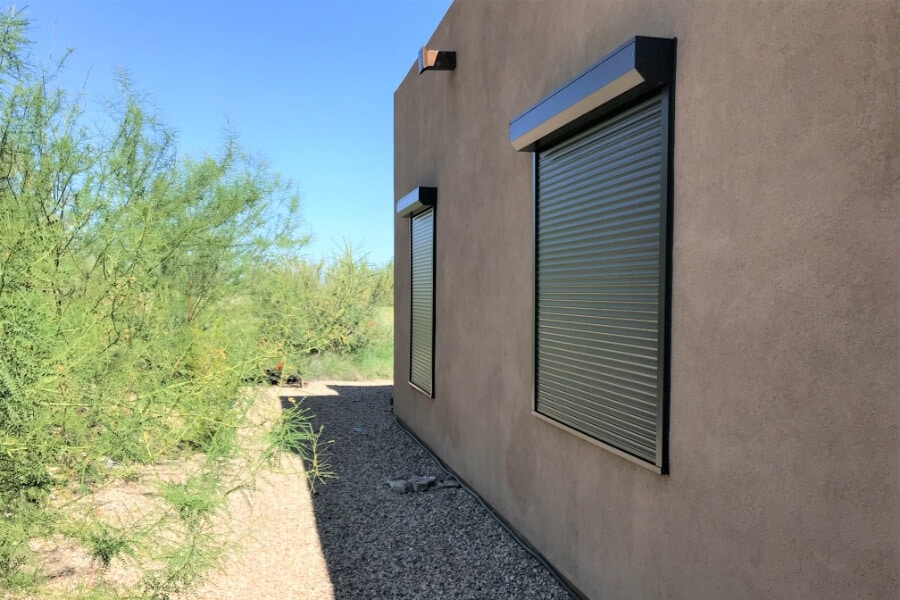
Shutters, in the context of window treatments, refer to solid and stable window covers, either inside or outside the home. They have a timeless appeal and are known for their durability. Outside shutters can provide significant benefits like increased privacy, improved insulation, and enhanced security.
Blinds, on the other hand, consist of slats of various materials (wood, vinyl, aluminum, etc.) that can be tilted to control the amount of light and privacy. They are typically installed inside the home and offer a range of styles and functionalities.
When it comes to light control, both shutters and blinds offer varying degrees of control. Shutters, particularly external ones, can provide complete light blockage when fully closed. Blinds can be adjusted to allow varying amounts of light, depending on the angle of the slats.
For privacy, shutters, especially external rolling shutters, provide an excellent level of privacy as they can completely block the view from outside. Blinds can also provide privacy, but the level of privacy depends on the type and the angle of the slats.
Shutters, particularly those that create a sealed environment around windows, can be more effective at insulating a room, thus being more energy-efficient. Blinds can provide some insulation, especially cellular or honeycomb blinds designed for that purpose, but generally not at the same level as shutters.
Both shutters and blinds come in a variety of styles and materials, making them adaptable to various home aesthetics. Shutters give a more traditional and permanent look, while blinds offer a more flexible and contemporary aesthetic.
External rolling shutters are generally durable and may require some maintenance but not as frequent as blinds. Blinds can collect dust and may need more regular cleaning. The slats in blinds can also break or bend over time.
Cost is an important consideration. Blinds are generally more affordable and come in a wider range of price points. Shutters, especially high-quality or custom-made ones, can be a more expensive option but are often considered a long-term investment.
In concluding, the choice between shutters and blinds depends on a variety of factors including your aesthetic preferences, functional needs, budget, and the specific characteristics of your home. While both have their unique advantages, the best option is the one that best fits your personal needs and home's requirements. For Tucson residents and businesses, exploring both options and considering the local climate and architectural styles can guide you towards the best decision for your specific situation.
Whether you're interested in the durability and full coverage of rolling shutters or the flexibility and style of blinds, Tucson Rolling Shutters & Screens can guide you in the right direction. Contact us at tucsonrollingshutters.com/contact-us for personalized advice and solutions tailored to your unique needs.