MENU
As Spring and Summer approach, many homeowners in Phoenix and Tucson are thinking about how to keep their homes cooler. One popular solution is sun-blocking window screens, but another option is solar shade window tints (also known as window films). Although they may seem similar, they have some distinct differences in terms of how they block heat and light, and their applications. Let's break down the pros and cons of each approach.
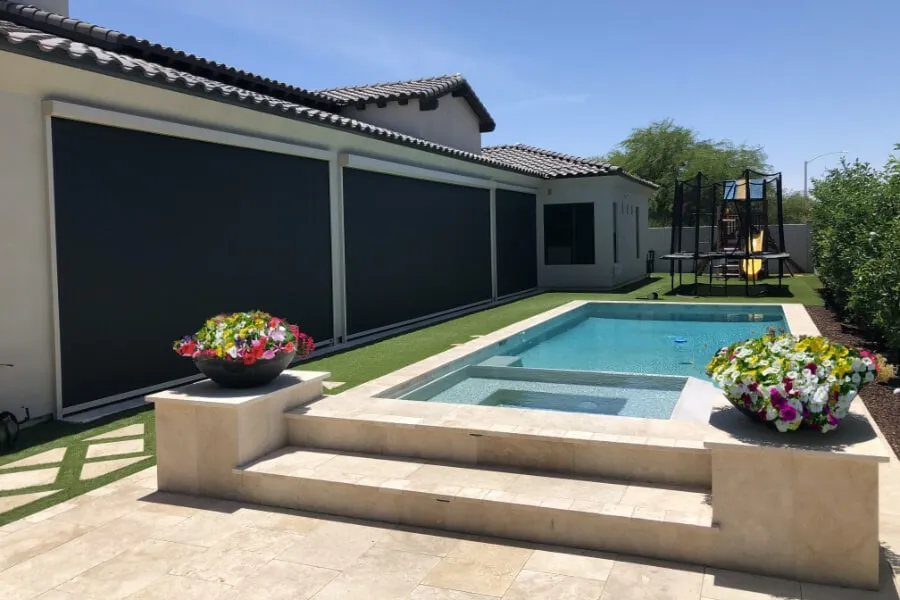
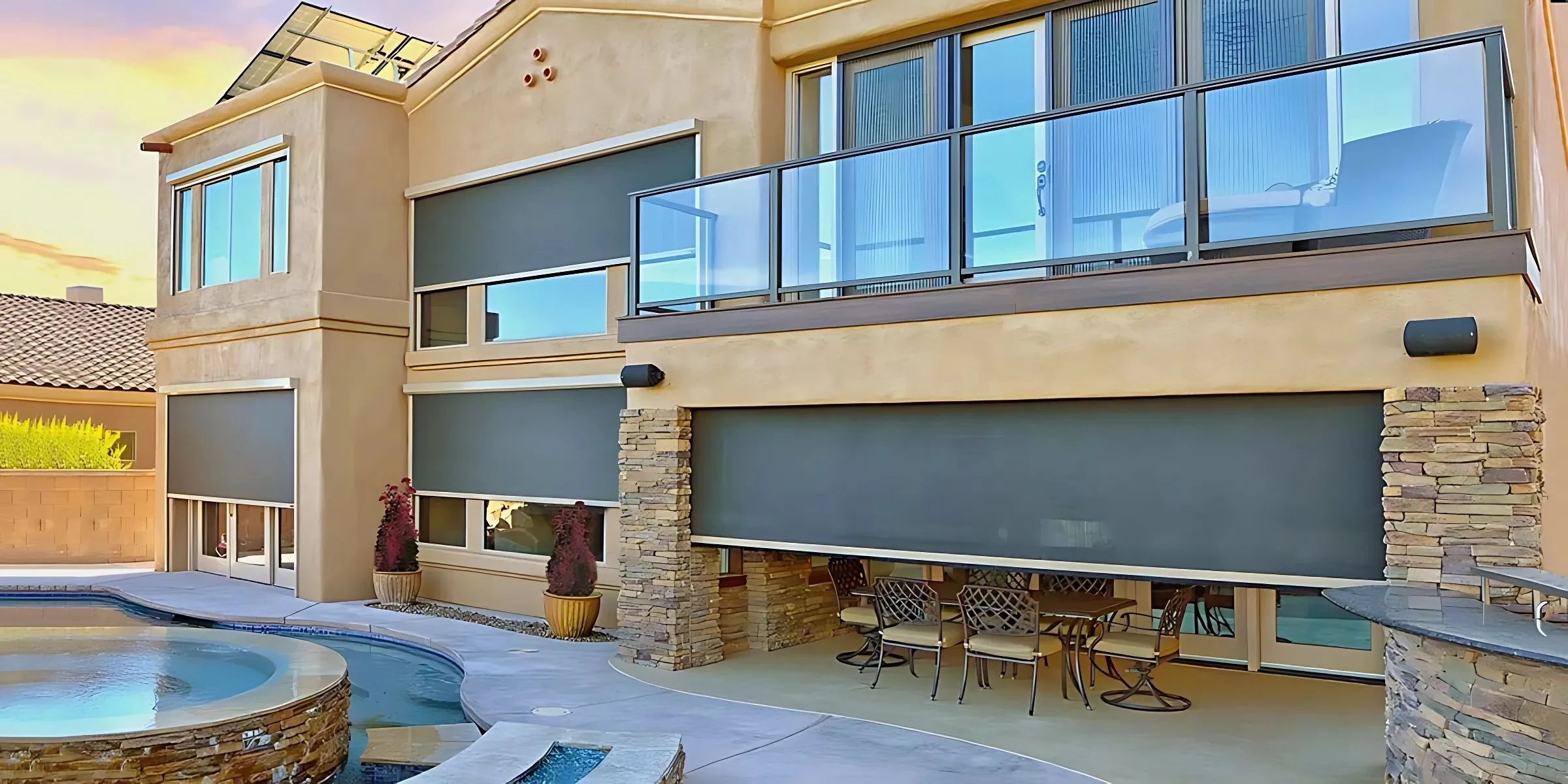
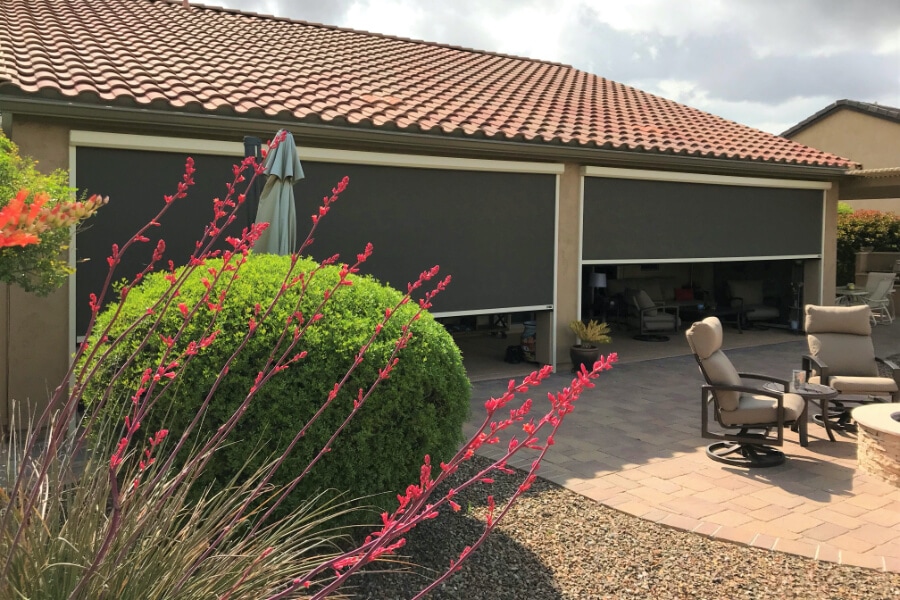
Sun-blocking window screens, also known as solar screens or solar shading screens, are exterior window screens designed to block sunlight. They are typically made from a polyester fabric coated with PVC, and the openness factor can vary from very dense (3% openness) to more open (14% openness).
The more open the weave, the more visible the view through the screen. Because they are exterior screens, they block the sun and heat before it enters through your window, making them more effective than interior shading options. They can significantly reduce glare and heat, and some screens are designed to block up to 90% of UV rays.
Additionally, sun-blocking window screens can be helpful for privacy during the day, as it's harder for people outside to see in. You can still see out through the screen, but it's much more difficult for someone outside to see in.
The primary drawback of sun-blocking window screens is that they can slightly alter the appearance of your home's exterior. Some people may not like the look of the screens on the outside of their windows, especially if they want to enjoy a clear, unobstructed view from inside. They may also reduce the amount of natural light that enters your home.
Solar shade window tints or window films are applied directly to the glass and can reduce the amount of UV radiation that enters your home. They can improve the energy efficiency of your windows by reducing heat gain in summer and heat loss in winter.
Tints don't block your view as much as screens, so if maintaining a clear, unobstructed view is important to you, a window tint could be the better option. They're also easier to clean and maintain than window screens.
While tints can reduce glare, they're not as effective at blocking heat as exterior window screens. Since they're applied on the interior side of the glass, heat has already penetrated the glass before the tint can do its job. Some tints may alter the appearance of your home or be visible from the outside, which might not appeal to all homeowners.
Both sun-blocking window screens and solar shade window tints have their advantages and disadvantages. The best choice depends on your specific needs and preferences. If heat reduction, privacy, and UV protection are your top priorities, then sun-blocking window screens could be the better option. If maintaining a clear view and ease of maintenance are more important, then a window tint could be the better choice.
Whatever you decide, Tucson Rolling Shutters & Screens can help. Our team of experts can guide you in making the best decision for your home, whether that's sun-blocking window screens, window tints, or a combination of both. Visit our website at tucsonrollingshutters.com/contact-us for more information on our products and services.